Date:
Author:
Ashish Choudhury
Consider an 11-bedroom manor house in Surrey. Purchase the physical property, and you are also granted first refusal on a virtual replica of the same estate—existing entirely in the metaverse. This is no longer speculative fiction; it is a signal of where value, experience, and ownership may be heading.
Since Facebook announced its strategic pivot toward the metaverse, and industry leaders like Epic Games’ Tim Sweeney described it as a potential multi-trillion-dollar economy, the idea has moved rapidly from curiosity to conversation. The question now is not what the metaverse is, but how it may be used—and whether it matters.
Let’s begin with a simple framing.
A Question of Choice
Imagine choosing between the following:
Visiting a physical store or shopping through an app
Following a meditation guide or being guided by a person
Meeting someone in person or communicating digitally
Running a business online or leasing physical space
Most people would choose a mix. The decision depends on context, convenience, and intent rather than rigid logic. This blend of physical and digital preference is precisely where the metaverse positions itself.
At its core, the metaverse combines immersive environments with real-time data. It enables people to work, learn, shop, and interact within shared digital spaces—while adapting those experiences to individual needs. In theory, a brand could offer thousands of consumers entirely different experiences within the same virtual environment, increasing engagement while reducing friction.
Practical Use Cases
Phygital Retail
Smaller retail formats can combine the best of physical presence and digital efficiency—intuitive layouts, zero queues, and personalized interaction—potentially accelerating the sale of high-value products online.Experience Stores
Brands can build immersive digital spaces that complement or even replace physical experience stores. Nike is already exploring this territory.Simulation and Training
Virtual simulations—already used in aviation—can expand into broader applications such as employee training, product demonstrations, and skill development.Accessibility and Inclusion
Virtual environments can remove physical limitations, offering equal participation to individuals with temporary or permanent disabilities. Microsoft’s long-standing commitment to accessibility positions it naturally in this space.
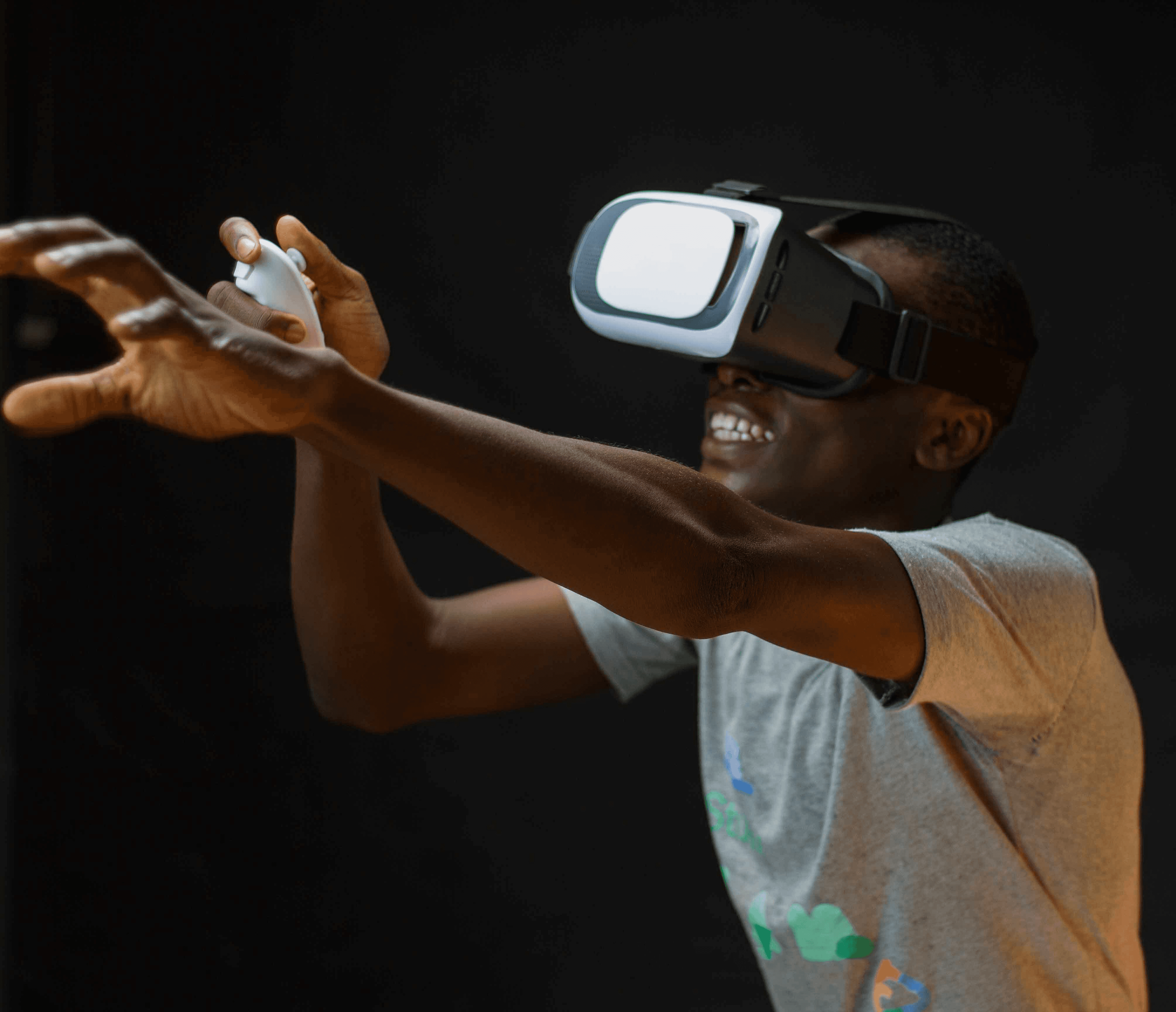
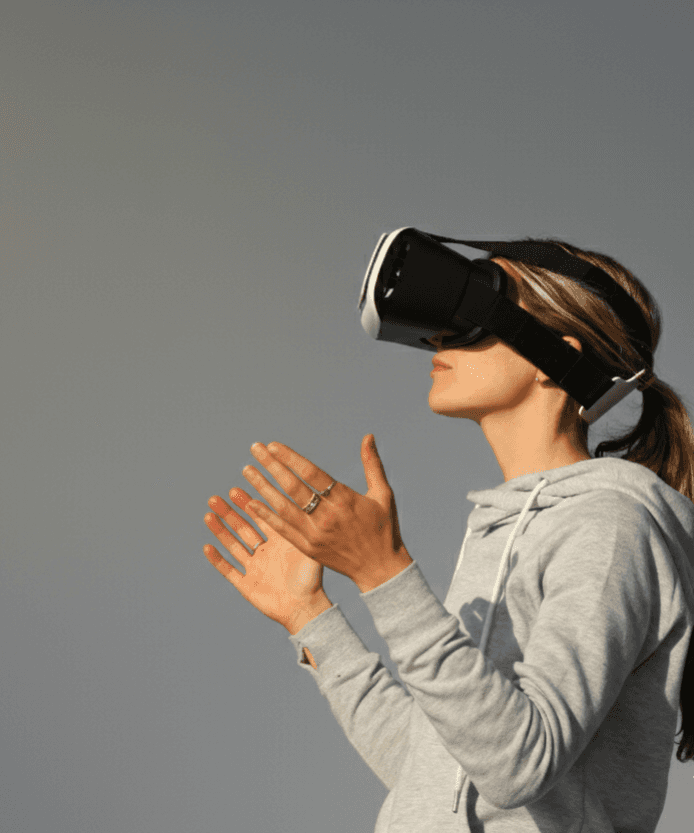
Taken together, the usefulness of the metaverse is difficult to dismiss. Its limitations are less technical than imaginative.
Imperative or Passing Phase?
The more pressing question is whether the metaverse represents a necessary evolution or a fleeting trend. Four factors suggest the former.
Growing Regulation of Big Tech
As governments scrutinize data privacy and monopolistic behavior, the current structure of the internet may not remain intact indefinitely. New models may be required.Technology Readiness
Unlike many futuristic promises, the infrastructure already exists. Meta, Microsoft, and Epic Games are investing heavily, while Nvidia, blockchain-based rendering platforms, and global telecom providers are building the tools and bandwidth needed for scale.A Natural Evolution of Media
The internet moved from text to images, then to video. This progression mirrors how humans learn—visually, audibly, and through movement. Technologies like VR, AR, and MR extend this trajectory by introducing spatial interaction and touch.The Path of Least Resistance
As Daniel Kahneman observes, humans gravitate toward what feels easiest. When immersive digital experiences reduce effort while increasing engagement, adoption becomes less a decision and more a default.
Conclusion
Viewed through this lens, the metaverse is not a radical departure—it is a continuation. Whether it fulfills its promise depends not on technology alone, but on how thoughtfully it is applied.
And with that, the case stands.